How much passionflower is in Nerve Fresh?
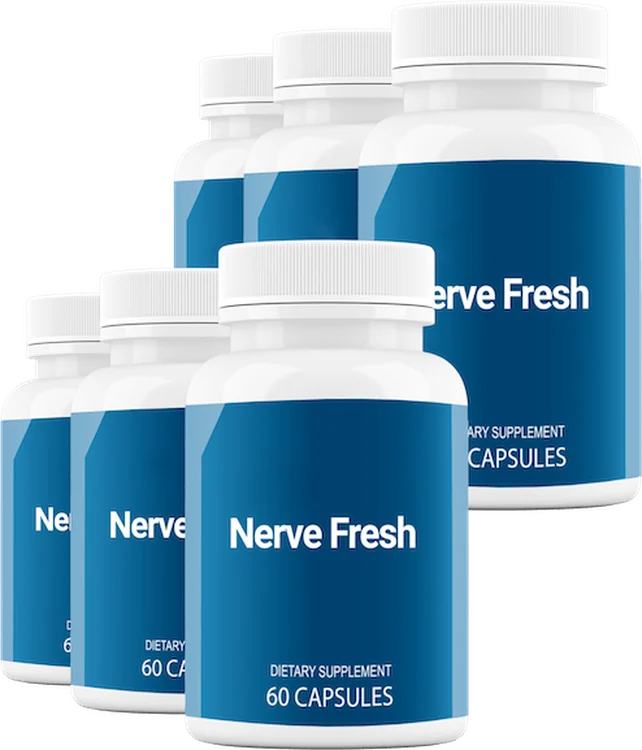
Each two-capsule serving of Nerve Fresh lists 350 mg of passion flower herb powder, the largest of the five ingredients and a little over a third of the 960 mg serving. The label names it "Passion Flower Herb Powder" and gives no % Daily Value, because none exists for herbs.
The label does not name the species, so we cannot say for certain which passionflower is used. The species studied in the sources we cite is Passiflora incarnata, the maypop of the southern United States.[1] The label also does not say whether the powder is the whole herb or a concentrated extract, which matters because studies often use extracts. A powder and an extract of the same plant can deliver quite different amounts of whatever is active. Our supplement facts page shows the full panel as printed.
| Detail | What the label or sources say |
|---|---|
| Amount per serving | 350 mg of herb powder (label) |
| Share of the serving | About 36% of 960 mg (our arithmetic) |
| Species | Not named on the label; NCCIH covers Passiflora incarnata |
| Form | Powder, not stated as an extract |
| Listed side effects | Drowsiness, dizziness, confusion (NCCIH) |
| Liver | Not linked to liver injury (LiverTox) |
| Pregnancy | NCCIH advice: do not take it while pregnant |
What is passionflower traditionally used for?
Passionflower has a long history as a calming herb.[2] LiverTox describes its extracts as a mild sedative and sleep aid. Native peoples of the Americas used it, and today it is sold as dried herb for tea, liquid extracts, capsules and tablets.
That history is the main reason it appears in a product pitched for nerve comfort. It is not evidence that it does anything for nerve symptoms. NCCIH says passionflower's effects on health conditions have not been studied extensively, and that there is not enough evidence to say whether it helps conditions beyond the ones studied.[3] None of our sources reports a study of passionflower for neuropathy. Our evidence page compares what each of the five plants has, and has not, been studied for.
Is passionflower safe at this amount?
For most healthy adults, short-term use appears to be reasonably safe, but drowsiness is the effect to plan for. NCCIH says up to 800 mg a day of a passionflower extract has been used with apparent safety in studies lasting up to 8 weeks.[3]
The same source lists the possible side effects: drowsiness, dizziness and confusion.[1] The amount in Nerve Fresh, 350 mg of powder, is below the 800 mg extract figure, but a powder and an extract are not directly comparable, and Nerve Fresh pairs passionflower with two other herbs linked with drowsiness. The combination has not been studied. That is why we suggest taking the first dose at home and not driving until you know how it affects you. Our drowsiness and driving page explains how to test that safely.
- Plan for drowsiness, especially on the first day.
- Do not combine it with alcohol or other sedating products without asking a pharmacist.
- Stop and seek advice if you feel confused or very dizzy.
- Long-term safety beyond about eight weeks is not established in the sources.
Does passionflower affect the liver?
No liver problem has been linked to passionflower in the government's drug-induced liver injury database. LiverTox says passionflower has not been implicated in causing serum enzyme elevations or clinically apparent liver injury.[2]
That is reassuring for this ingredient, but it does not clear the product as a whole. Another ingredient, corydalis, has reports of liver injury, which our liver safety page sets out. If you have a liver condition, the question for your doctor is about the full blend, not passionflower alone.
Can I take passionflower while pregnant?
No. NCCIH has advised that if you are pregnant you should not take passionflower, and the Nerve Fresh label asks pregnant or nursing mothers to consult a physician before using it.[3]
This is one of several reasons the product is not suitable in pregnancy: corydalis is also listed as unsafe, and California poppy is not recommended. Our pregnancy and nursing page collects every caution. If you took a dose before you knew you were pregnant, tell your doctor or midwife; do not panic, but do not continue without advice.
Does passionflower interact with medicines?
The interaction to watch is added drowsiness with other things that make you sleepy. NCCIH's own advice is to tell your health care providers about any supplement you use or are considering.[3]
Think about sleep aids, anxiety medicines, opioid pain medicines, some nerve-pain prescriptions and alcohol. In each case the concern is the same: two or more sedating things together can make you sleepier than either alone. The NIH's general supplement guidance warns that combining supplements with medicines can cause problems.[4] Our medicines page has a question builder you can bring to the pharmacy, and the most important rule bears repeating: never stop a prescribed medicine to try a supplement.
How should I think about passionflower in Nerve Fresh?
Think of it as the calming herb at the center of the blend, with a mild, mostly reassuring safety record on its own and no evidence for nerve symptoms. It is the reason drowsiness heads our list of cautions, along with corydalis and California poppy.
If calm or sleep is what you are after, passionflower is also sold on its own, and you could discuss with a pharmacist whether a single-herb product with a stated dose suits you better. If nerve symptoms are the reason you are looking, the first step is a doctor's visit, which our nerve symptoms page explains. When you are ready to compare packs, our pricing page shows the totals the sales page listed when we checked on November 26, 2026.
What should I ask a pharmacist about passionflower?
Ask whether passionflower, together with the other two calming herbs in Nerve Fresh, is likely to make you too drowsy with the medicines and products you already use. Bring the bottle or a photo of the label, so the pharmacist can see the exact amounts.
A good conversation takes five minutes and covers more than one herb. Pharmacists see the full list of what you take, including over-the-counter sleep aids and allergy tablets that many people forget to mention. These are the questions worth writing down before you go:
- Will 350 mg of passionflower plus corydalis and California poppy add to the drowsiness of anything I take?
- Is there any medicine on my list that I should space away from these capsules?
- If I feel dizzy or confused, should I stop at once or cut back?
- Is there a reason to avoid this product given my health conditions?
NCCIH's general advice is to tell your providers about every supplement you use, and the NIH notes that supplements can interact with medicines and cause side effects, especially when several products are combined.[4] Our medicines page has a question builder that writes these questions for you.
What we could not confirm about the passionflower in Nerve Fresh
We could not confirm the species, the plant part, whether the powder is standardized, or where it was grown. The label prints a name and an amount, which is more than many products do, but it stops there.
Those gaps matter because herbal products vary. NCCIH warns that the contents of a supplement may differ from what the label says, and that natural does not always mean safe.[5] A certificate of analysis for the batch would answer some of these questions. The seller's notes mention a lot number and a certificate code, but neither is visible on any photo we were given, so we do not print them; we have asked the site owner to confirm them. Until then, read the label on your own bottle, check that the seal is intact, and use our bottle check page to compare it with what we read.
How does passionflower fit with the rest of the blend?
Passionflower is the backbone of the formula by weight, and it sets the tone for how the product is likely to feel: calming, possibly sleepy, rather than stimulating. The other four ingredients either add to that calming effect or carry cautions of their own.
Corydalis and California poppy are the other two herbs linked with drowsiness, so together with passionflower they make up 640 mg of the 960 mg serving, or two thirds of it. Marshmallow root and prickly pear make up the rest, and neither is a calming herb; both are noted for possibly lowering blood sugar, and marshmallow can slow how other medicines are absorbed. That mix explains the main practical rules on this site: try the first dose at home, avoid alcohol, space the capsules from other medicines, and check blood sugar if you take diabetes medicine.
| Group | Ingredients | Share of 960 mg | What links them |
|---|---|---|---|
| Calming herbs | Passionflower, corydalis, California poppy | 640 mg, about 67% | Drowsiness listed for each |
| Other plants | Marshmallow root, prickly pear | 320 mg, about 33% | May lower blood sugar |
The label prints no reason for the combination, and the sales page offers marketing rather than evidence. Nobody has published a study of this exact blend that we could find. If you want to know what each plant has been studied for, our evidence page sets it out with sources, and our ingredients page explains the rest of the panel. The capsules also contain gelatin, microcrystalline cellulose, magnesium stearate and silica, which our capsule ingredients page covers.
Frequently asked questions
Is the passionflower in Nerve Fresh an extract?
The label calls it "Passion Flower Herb Powder" and does not say it is an extract. Studies often use extracts, so the amounts are not directly comparable.
Will 350 mg of passionflower make me sleepy?
It might. Drowsiness is listed by NCCIH, and the blend adds two other herbs linked with drowsiness, so test the first dose at home.
Can I take passionflower tea as well?
Ask your pharmacist. Adding more passionflower adds to the drowsiness risk, and the combination with the other herbs has not been studied.
Is passionflower addictive?
None of our sources describes passionflower as habit-forming. The seller's "No Tolerance Forming" badge came with no test, so we list it as unverified.
Which passionflower species does Nerve Fresh use?
The label does not say. The species covered in the NCCIH fact sheet is Passiflora incarnata.
Medical review: Dr. Mark Runkle, DPM, Physician. Named in the owner-supplied pack as the reviewer; this is not independently verified and is not an endorsement. Safety lines also cite NIH, FDA, Poison Control and FTC pages. How review works.
Sources
- NCCIH: Passionflower. www.nccih.nih.gov
- NIH LiverTox: Passionflower. www.ncbi.nlm.nih.gov
- NCCIH: Passionflower: Science and Safety (bulletin). content.govdelivery.com
- NIH Office of Dietary Supplements: Dietary Supplements: What You Need to Know. ods.od.nih.gov
- NCCIH: Using Dietary Supplements Wisely. www.nccih.nih.gov
Safety: Nerve Fresh Capsules is a dietary supplement, not a medicine, and not a neuropathy medicine. Follow your bottle's label (two capsules a day). Three of its five herbs (passionflower, corydalis, California poppy) can cause drowsiness: do not drive until you know how it affects you, avoid alcohol and other sedating products with it, and do not stop or change a prescribed nerve, sleep or anxiety medicine on your own. Liver injury has been reported with corydalis; stop and call a doctor if you notice dark urine, yellow skin or eyes, or upper belly pain. Prickly pear and marshmallow may lower blood sugar. Not for pregnancy, nursing or anyone under 18; ask your doctor first if you take any medicine, have a liver condition or diabetes, or have surgery planned.
Inervefresh is an independent information site, not the manufacturer of Nerve Fresh Capsules. We may earn from order links on this site; order links are marked sponsored. *These statements have not been evaluated by the Food and Drug Administration. This product is not intended to diagnose, treat, cure or prevent any disease. Page updated November 26, 2026.