How much corydalis is in Nerve Fresh?
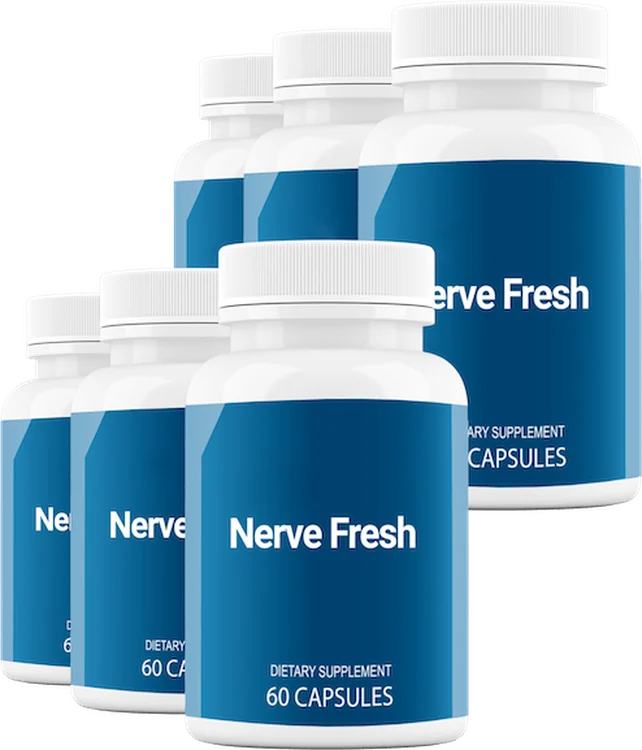
Each two-capsule serving of Nerve Fresh lists 200 mg of corydalis yanhusuo root extract, at a 10:1 ratio. It is about 21% of the 960 mg serving, and it is the ingredient with the most important safety caution on the label.
A 10:1 extract usually means about 10 parts of raw root were used to make 1 part of extract, so 200 mg of extract could reflect roughly 2,000 mg of root. Extract ratios are not standardized, and the label does not state how much of any alkaloid the extract contains. The label names the plant as Corydalis turtschaninovii, a close relative of the Corydalis yanhusuo used in traditional Chinese medicine. Our supplement facts page shows the panel as printed.
| Detail | What the label or sources say |
|---|---|
| Amount per serving | 200 mg of root extract, 10:1 (label) |
| Share of the serving | About 21% of 960 mg (our arithmetic) |
| Main alkaloid named in sources | Tetrahydropalmatine (THP) |
| Listed side effects | Drowsiness, dizziness, upset stomach, nausea |
| Liver | Liver damage has been reported |
| Pregnancy | Listed as unsafe |
| Alkaloid content | Not stated on the label |
What is corydalis traditionally used for?
Corydalis is a traditional Chinese herb, mainly known for pain. People take it for headaches, stomach pain and menstrual cramps, although its benefits are not well defined, and the FDA has not reviewed it for safety or effectiveness.[1]
Its effects are usually put down to its alkaloids. EBSCO's research summary lists several, including tetrahydropalmatine (THP), tetrahydropapaverine, corydaline and protopine, and notes that corydalis constituents may affect brain chemicals including dopamine and GABA.[2] That chemistry explains the drowsiness. It is not evidence of any benefit for nerve symptoms, and none of our sources reports a study of corydalis for neuropathy. See our evidence page for the comparison across all five plants.
Why is corydalis linked to liver problems?
Liver damage has been reported in people using Corydalis yanhusuo, and WebMD advises calling your health care provider right away if you notice signs of liver damage.[1] The concern centers on its alkaloid tetrahydropalmatine.
EBSCO's summary says products containing THP have repeatedly been associated with severe and potentially fatal liver injury, and that experts caution against its use in vulnerable groups.[2] The federal LiverTox database records more than a dozen cases of acute liver injury linked to Jin Bu Huan, a Chinese herbal product whose extracts are rich in levo-tetrahydropalmatine; LiverTox thinks a contaminant was the likely cause there.[3] None of this proves that Nerve Fresh harms the liver. It does mean the liver signs below are worth knowing before you start.
- Dark urine
- Yellow skin or yellow whites of the eyes
- Pain in the upper right belly
- Unusual tiredness, nausea or loss of appetite
- Pale stools or itching
If any of these appear, stop the capsules and call your doctor the same day. Our liver safety page explains what to tell them.
Does corydalis cause drowsiness?
Yes, drowsiness is one of the side effects listed for Corydalis yanhusuo, along with dizziness or lightheadedness, upset stomach, and nausea or vomiting.[1] In Nerve Fresh it sits alongside passionflower and California poppy, which are also linked with drowsiness.
That combination is why we advise taking the first dose at home and not driving or using machines until you know how the capsules affect you. RxList adds that too much corydalis can cause spasms and muscle tremors.[4] Never take more than the label's two capsules a day. Our drowsiness and driving page has a stack check for other sedating products.
Is corydalis safe in pregnancy?
No. RxList lists corydalis as unsafe in pregnancy because it might start a period and cause the uterus to contract, which could cause a miscarriage, and advises avoiding it while breastfeeding.[4]
This is the clearest reason Nerve Fresh is not a product for pregnancy or nursing. The label asks pregnant or nursing mothers to consult a physician, and our pregnancy and nursing page collects the cautions for all five plants.
Does corydalis interact with medicines?
Corydalis may interact with several kinds of medicine, so check with a pharmacist before you start. The main concern is added drowsiness with sedatives, sleep aids, anxiety medicines and opioid pain medicines.
Laboratory research has also found that corydalis alkaloids can change the activity of liver enzymes that process many drugs, which is one reason to show your full medicine list to a pharmacist.[2] The general rule from NIH applies: tell your doctor and pharmacist about every supplement you take.[5] Our medicines page has a question builder for the conversation.
Why does this page show no corydalis photo?
Because the photo supplied with the seller's assets does not show corydalis. It shows a pink-purple woodland lily with swept-back petals, which looks like a dog's-tooth violet, a different plant.
We do not use images that do not match their labels, and we have asked the site owner for a correct one. Corydalis flowers are small, tubular and spurred, growing in clusters on a stem; the medicine comes from the underground tuber. It is a small thing, but a mismatched plant photo is the kind of detail our legit page counts.
Who should not take a product with corydalis?
Several groups should not start Nerve Fresh without a doctor's go-ahead, and some should not take it at all. The liver reports, the drowsiness and the pregnancy warning define the list.
- Anyone who is pregnant, trying to conceive or breastfeeding.
- Anyone with a liver condition, or who has had a liver problem with a medicine or supplement before.
- People who drink alcohol most days.
- Anyone who takes a medicine their doctor monitors with liver blood tests.
- People who take sleep, anxiety, opioid or prescription nerve-pain medicines.
- Anyone under 18; the label asks them to consult a physician.
- Anyone with surgery or sedation planned in the next two weeks.
If you are in one of these groups, take the label to your doctor and ask directly. The NIH reminds people that supplements can cause side effects and interact with medicines, and that the risks rise with several products at once.[5] Our red-flag check on the who it is for page runs through the list in a minute.
What we could not confirm about the corydalis in Nerve Fresh
We could not confirm how much tetrahydropalmatine or any other alkaloid the 200 mg of extract contains, where the root was grown, or whether the extract was tested for contaminants. Those are exactly the facts that would help judge the liver question.
LiverTox notes that, in the Jin Bu Huan cases, the liver injury was likely due to a contaminant rather than the herb itself, which shows why batch testing matters.[3] NCCIH warns that the contents of herbal supplements can differ from their labels.[6] The seller's notes mention a certificate of analysis code, but it is not visible on any photo we were given, so we have asked the site owner for the document. Until it is supplied, we regard the alkaloid content as unknown. If you buy, keep the bottle, note the lot number on the base if there is one, and use our bottle check page to compare it with the label we read.
How does corydalis compare with the other four ingredients?
Corydalis is the ingredient with the most serious caution on this label. It shares drowsiness with passionflower and California poppy, but it is the only one of the five with reports of liver damage in our sources and the only one listed as unsafe in pregnancy by name.
That does not mean every person who takes it will have a problem; liver reactions to herbs are uncommon and often unpredictable. It means the liver signs are worth knowing, and that people with existing liver disease, heavy drinkers and anyone on medicines that need liver monitoring should ask a doctor before they start. Here is how corydalis compares on the cautions in our sources:
| Ingredient | Drowsiness | Liver reports | Pregnancy |
|---|---|---|---|
| Corydalis | Listed | Liver damage reported | Listed as unsafe |
| Passionflower | Listed | Not linked (LiverTox) | NCCIH advises against |
| California poppy | Listed | Not in our sources | Not recommended |
| Marshmallow root | Not listed | Not in our sources | Ask your doctor |
| Prickly pear | Not listed | Not in our sources | Not covered in our sources |
The amount in Nerve Fresh, 200 mg of a 10:1 extract, is moderate by weight, but extract strength and alkaloid content are not stated, so the weight alone cannot tell you how strong it is. Traditional use of corydalis as a whole herb is often described in grams a day; EBSCO's summary mentions 5 to 10 grams of the herb, or equivalent extract amounts. If 200 mg of a 10:1 extract reflects about 2 grams of root, that is a meaningful amount. Our ingredients page explains the rest of the panel, and our safety page puts all the cautions together.
Frequently asked questions
What does 10:1 mean on the Nerve Fresh corydalis line?
It usually means about 10 parts of raw root went into 1 part of extract. The label does not state how much of any alkaloid the extract contains.
Is the corydalis in Nerve Fresh the same as yanhusuo?
The label says "Corydalis Yanhusuo (Corydalis turtschaninovii)". Both are corydalis species used as the traditional herb yanhusuo.
How would I know if corydalis was affecting my liver?
Watch for dark urine, yellow skin or eyes, upper right belly pain, pale stools or unusual tiredness. Stop and call your doctor if you see any.
Can I drink alcohol while taking corydalis?
It is wiser not to. Alcohol adds drowsiness and puts extra work on the liver.
Does corydalis contain opioids?
Our sources do not describe it as an opioid. Its main alkaloid named in the sources is tetrahydropalmatine, which can cause drowsiness.
Medical review: Dr. Mark Runkle, DPM, Physician. Named in the owner-supplied pack as the reviewer; this is not independently verified and is not an endorsement. Safety lines also cite NIH, FDA, Poison Control and FTC pages. How review works.
Sources
- WebMD: Corydalis yanhusuo: uses and risks. www.webmd.com
- EBSCO Research Starters: Corydalis's therapeutic uses. www.ebsco.com
- NIH LiverTox: Jin Bu Huan (levo-tetrahydropalmatine). www.ncbi.nlm.nih.gov
- RxList: Corydalis. www.rxlist.com
- NIH Office of Dietary Supplements: Dietary Supplements: What You Need to Know. ods.od.nih.gov
- NCCIH: Using Dietary Supplements Wisely. www.nccih.nih.gov
Safety: Nerve Fresh Capsules is a dietary supplement, not a medicine, and not a neuropathy medicine. Follow your bottle's label (two capsules a day). Three of its five herbs (passionflower, corydalis, California poppy) can cause drowsiness: do not drive until you know how it affects you, avoid alcohol and other sedating products with it, and do not stop or change a prescribed nerve, sleep or anxiety medicine on your own. Liver injury has been reported with corydalis; stop and call a doctor if you notice dark urine, yellow skin or eyes, or upper belly pain. Prickly pear and marshmallow may lower blood sugar. Not for pregnancy, nursing or anyone under 18; ask your doctor first if you take any medicine, have a liver condition or diabetes, or have surgery planned.
Inervefresh is an independent information site, not the manufacturer of Nerve Fresh Capsules. We may earn from order links on this site; order links are marked sponsored. *These statements have not been evaluated by the Food and Drug Administration. This product is not intended to diagnose, treat, cure or prevent any disease. Page updated November 26, 2026.