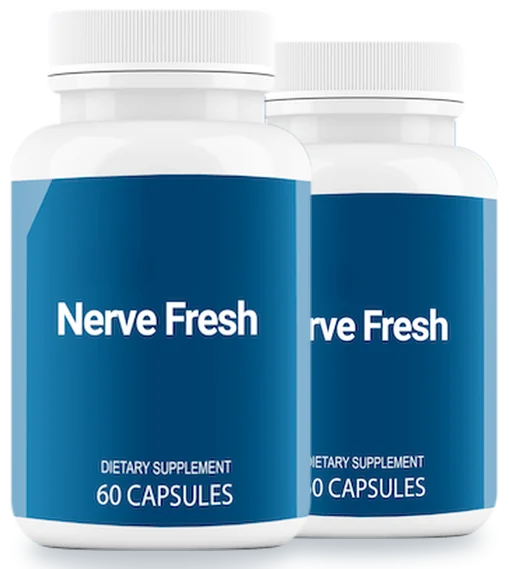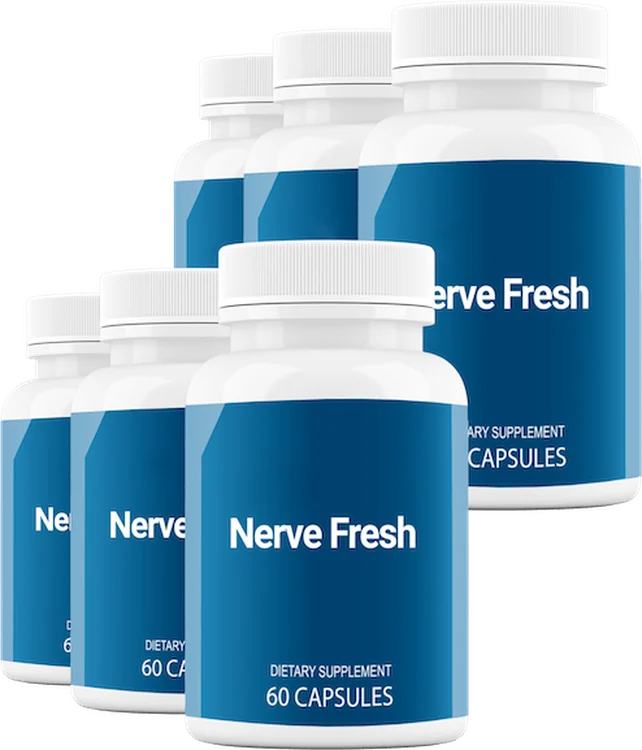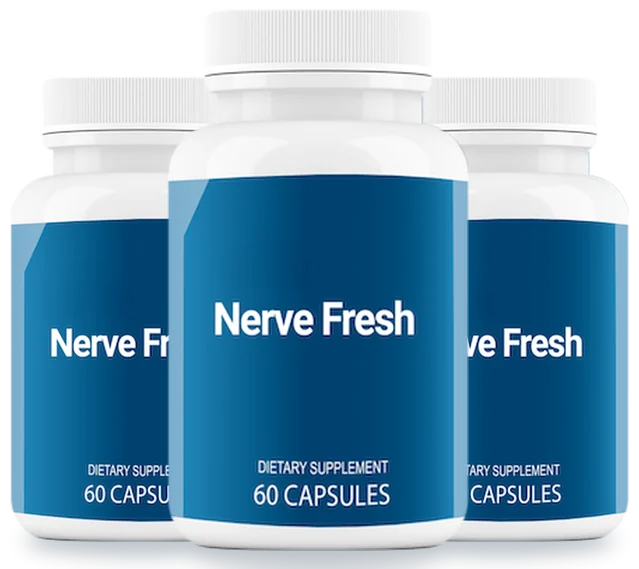
Is there evidence that Nerve Fresh works?
We found no published study of Nerve Fresh itself, and none of the sources we cite shows that any of its five herbs helps nerve symptoms in people. The evidence that exists is about each plant on its own, mostly for other uses, and it is limited.
That is the most important fact on this page, and it is worth stating plainly because the sales page presents the product as a nerve solution. A supplement can be sold in the United States without the FDA reviewing whether it works; the agency says it does not approve dietary supplements for safety or effectiveness before they are sold.[1] The FTC, which polices advertising, says health claims need competent and reliable scientific evidence.[2] Our job here is to set out what the sources actually say, plant by plant.
- Passionflower1 of 3 · short studies for anxiety and sleep; not studied for nerve pain in our sources
- California poppy0 of 3 · claims for sleep, anxiety, pain lack valid human studies
- Corydalis0 of 3 · traditional pain herb; benefits not well defined
- Prickly pear1 of 3 · early blood-sugar evidence; nothing on nerves
- Marshmallow root0 of 3 · traditional throat and stomach herb; nothing on nerves in our sources
What does the evidence say about passionflower?
Passionflower has been studied mainly for anxiety and sleep, in short trials, and NCCIH says its effects on health conditions have not been studied extensively. There is not enough evidence to say whether it helps other conditions.[3]
NCCIH also reports that up to 800 mg a day of an extract has been used with apparent safety in studies up to 8 weeks, with possible drowsiness and confusion. That is safety information, not proof of benefit. We found no study of passionflower for neuropathy in our sources. Our passionflower page has the detail.
What does the evidence say about California poppy?
Very little supports it. Poison Control says the claims that California poppy helps sleep, anxiety and pain are not supported by valid human studies.[4]
WebMD agrees that there is no good scientific evidence for these uses, while noting that the plant contains chemicals that might cause relaxation and sleepiness.[5] So the one thing California poppy is reasonably expected to do is make some people sleepy, which is a caution rather than a benefit for most buyers. Our California poppy page explains the surgery rule as well.
What does the evidence say about corydalis?
Corydalis is a traditional Chinese herb for pain, and its benefits are not well defined. WebMD says the FDA has not reviewed it for safety or effectiveness.[6]
Laboratory and animal research has studied its alkaloids, particularly tetrahydropalmatine, for pain and other effects, but our sources do not report human trials for nerve symptoms. Meanwhile, the safety record includes reports of liver damage, which our corydalis page and liver safety page explain. When the evidence for benefit is thin and the safety picture includes serious reports, caution is the sensible reading.
What does the evidence say about prickly pear and marshmallow root?
Prickly pear has early evidence for lowering blood sugar in type 2 diabetes, and marshmallow root has a long history as a coating for the throat and stomach. Neither is studied for nerves in our sources.
Mayo Clinic describes the prickly pear evidence as early and preliminary.[7] Those studies used food-sized or concentrated amounts, far more than the 100 mg in two capsules. Marshmallow root's evidence is mostly traditional. Both carry cautions that matter in practice: possible lower blood sugar with diabetes medicines, and, for marshmallow, slower absorption of other medicines. See our prickly pear page and marshmallow root page.
How strong is the evidence, plant by plant?
The table rates the human evidence for nerve symptoms by the wording of each source, on a 0 to 3 scale. It is our summary, not a clinical grade.
| Ingredient | Studied for | Evidence for nerve symptoms | Source wording |
|---|---|---|---|
| Passionflower | Anxiety, sleep (short trials) | 0: none cited | Effects not studied extensively (NCCIH) |
| California poppy | Sleep, anxiety, pain (claims) | 0: none cited | Claims lack valid human studies (Poison Control) |
| Corydalis | Pain (traditional; lab work) | 0: none cited | Benefits not well defined (WebMD) |
| Prickly pear | Blood sugar in type 2 diabetes | 0: none cited | Early evidence for blood sugar only (Mayo Clinic) |
| Marshmallow root | Throat and stomach (traditional) | 0: none cited | No nerve research in our sources |
A score of 0 for nerve symptoms means none of our sources reports a human study for that use. It does not prove the plant has no effect; it means there is nothing to rely on.
How should I judge the claims I see in ads?
Judge them against three questions: is there a study in people, does it test this product or this amount, and does it measure what the ad promises? Most nerve-supplement ads fail all three.
The FTC's guidance is that health claims must be backed by competent and reliable scientific evidence, and that testimonials and before-and-after stories do not replace it. NCCIH adds that natural does not always mean safe.[8] Here are red flags worth watching for:
- Promises to "reverse", "repair" or "regenerate" nerves.
- Advice to stop a prescription medicine.
- Results promised in a fixed number of days.
- A named doctor or specialist you cannot verify.
- Links to studies that turn out to be about animals, cells or a different product.
- Huge review counts with no way to check them.
Our label claims page has a decoder that checks common ad claims against FDA and FTC rules.
What does this mean for my decision?
It means you should not buy Nerve Fresh expecting it to do anything for nerve symptoms, and you should not use it in place of a diagnosis or a prescribed medicine. If you buy it, buy it knowing it is a blend of calming herbs with cautions.
Nerve symptoms have more than 100 possible causes, and NINDS says care aims at the underlying cause, such as managing diabetes, with nerves sometimes recovering once the cause is corrected.[9] That makes a doctor's visit the step with real evidence behind it. Our nerve symptoms page explains what a doctor may check, and our results page explains what you can and cannot expect.
Why is evidence for supplements so thin?
Because the law does not require it before sale. The FDA explains that it does not have the authority to approve dietary supplements, and that companies can bring new supplements to market without approval and often without notifying the agency.[10]
That system puts the burden on the maker to make truthful claims and on the buyer to read critically. It also means there is little commercial reason to fund expensive trials, since a product can be sold without them. The result is a market in which many products, including this one, rest on traditional use of single herbs rather than tests of the finished blend. Here is how the routes to market compare:
| Product type | Needs FDA approval before sale? | Must prove it works before sale? |
|---|---|---|
| Prescription medicine | Yes | Yes, in clinical trials |
| Over-the-counter medicine | Must meet FDA rules for its ingredients | Yes, for its stated uses |
| Dietary supplement | No | No; claims must be truthful and supported |
This is why we suggest reading a supplement's promises as unproven until you see a trial in people that tests the same product. Prescription medicines for nerve pain, by contrast, have been through trials, and NINDS lists several types doctors use.
What counts as good evidence?
Good evidence comes from studies in people, with a comparison group, that test the same product or ingredient at the same amount, measure the outcome you care about, and are published so others can check them. Lab and animal studies are a starting point, not an answer.
When an ad links to research, it is worth opening the link and reading the title and the first paragraph. Many links in this category lead to studies of a single ingredient in cells or rodents, or to a different product entirely. The FTC's guidance says that the evidence must fit the claim: a study of one ingredient at one dose does not support a claim about a blend at another.
- Is the study in people, not cells or animals?
- Does it test this product, or this ingredient at this amount?
- Was there a comparison group, such as a placebo?
- Does it measure nerve symptoms, not something else?
- Is it published where others can read it?
If the answer to any of these is no, the study does not support the ad's claim. That is not the same as saying the ingredient is useless; it means the claim has gone further than the evidence. A careful seller would say "traditionally used" or "studied for" rather than promising a result, and would never suggest dropping a prescription. Our legit page applies the same reasoning to the seller's other claims. It takes a few minutes per link, and it is the fastest way to see whether a claim rests on people or on petri dishes.
Frequently asked questions
Has Nerve Fresh been tested in a clinical trial?
We found no published trial of Nerve Fresh itself. The research we cite concerns its individual herbs, mostly for other uses.
Are the studies linked on the Nerve Fresh sales page about this product?
The sales page lists study links without explaining what each supports. Those we checked by title concern single ingredients, animals or cells, not this blend.
Does weak evidence mean Nerve Fresh is unsafe?
No. Evidence of benefit and evidence of safety are separate. The safety cautions here come from what is known about each herb.
Why rate every Nerve Fresh herb 0 for nerve symptoms?
Because none of our sources reports a human study of any of the five herbs for nerve symptoms.
What would good evidence for Nerve Fresh look like?
A controlled trial in people with nerve symptoms, using this blend at this amount, measuring symptoms against a placebo, and published for others to check.
Medical review: Dr. Mark Runkle, DPM, Physician. Named in the owner-supplied pack as the reviewer; this is not independently verified and is not an endorsement. Safety lines also cite NIH, FDA, Poison Control and FTC pages. How review works.
Sources
- FDA: FDA 101: Dietary Supplements. www.fda.gov
- FTC: Health Products Compliance Guidance. www.ftc.gov
- NCCIH: Passionflower: Science and Safety (bulletin). content.govdelivery.com
- Poison Control (poison.org): What to know about California poppy products. www.poison.org
- WebMD: California poppy: uses, side effects. www.webmd.com
- WebMD: Corydalis yanhusuo: uses and risks. www.webmd.com
- Mayo Clinic: Does prickly pear cactus have health benefits?. www.mayoclinic.org
- NCCIH: Using Dietary Supplements Wisely. www.nccih.nih.gov
- NINDS: Peripheral Neuropathy. www.ninds.nih.gov
- FDA: Dietary Supplements: How FDA Helps Keep You Safe (May 2022). www.fda.gov
Safety: Nerve Fresh Capsules is a dietary supplement, not a medicine, and not a neuropathy medicine. Follow your bottle's label (two capsules a day). Three of its five herbs (passionflower, corydalis, California poppy) can cause drowsiness: do not drive until you know how it affects you, avoid alcohol and other sedating products with it, and do not stop or change a prescribed nerve, sleep or anxiety medicine on your own. Liver injury has been reported with corydalis; stop and call a doctor if you notice dark urine, yellow skin or eyes, or upper belly pain. Prickly pear and marshmallow may lower blood sugar. Not for pregnancy, nursing or anyone under 18; ask your doctor first if you take any medicine, have a liver condition or diabetes, or have surgery planned.
Inervefresh is an independent information site, not the manufacturer of Nerve Fresh Capsules. We may earn from order links on this site; order links are marked sponsored. *These statements have not been evaluated by the Food and Drug Administration. This product is not intended to diagnose, treat, cure or prevent any disease. Page updated November 26, 2026.