The passionflower dosage evidence we can cite is thin. NCCIH says a daily extract of up to 800 mg has been used with apparent safety in studies up to 8 weeks, and Nerve Fresh lists 350 mg of herb powder, which is a different thing.
That gap is the point of this page. It explains what the studies describe, what they do not, and why a number on a label cannot be read as a studied dose.
What does NCCIH say about passionflower amounts?
NCCIH says a tea may be safe for up to 7 nights and an extract for up to 8 weeks[1]. A bulletin adds that up to 800 mg daily of an extract has been used with apparent safety in studies up to 8 weeks.[2]
Those are statements about specific forms and short periods. They are not a recommended dose, and they are not statements about the other four plants in the capsule. NCCIH also says passionflower may cause drowsiness, dizziness and confusion, and that there is not enough evidence to support its use for other conditions. A number in a study is what researchers used, not what a person should take.
| Form | What NCCIH says |
|---|---|
| Tea | May be safe for up to 7 nights |
| Daily extract | May be safe up to 8 weeks |
| Extract, up to 800 mg a day | Used with apparent safety in studies up to 8 weeks |
| Other uses | Not enough evidence |
How does the Nerve Fresh amount compare?
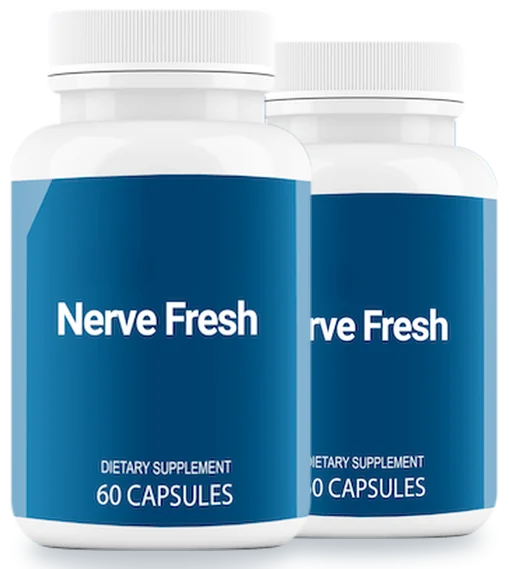
The label lists 350 mg of passion flower herb powder in each two-capsule serving. That is the dried plant ground up, not an extract, so it cannot be compared with an extract dose.
Extracts concentrate parts of the plant, and powders do not. An extract of 800 mg may stand for much more plant material than 800 mg of powder, or it may be standardized to a compound, and the label gives no such detail. So we cannot say that 350 mg is more or less than the studied amounts. What we can say is that it is the largest single amount in the 960 mg serving, and that three of the five plants are linked with drowsiness. Our passionflower page lists what the sources say.
How long have studies lasted?
The periods NCCIH names are short: up to 7 nights for tea and up to 8 weeks for an extract. A 90-day or 180-day pack runs much longer than either.
That does not mean longer use is harmful, and it does not mean it is safe. It means the evidence we can cite stops at 8 weeks for an extract. A larger pack is therefore not a recommendation to take it for that long. If you want to know how long is reasonable for you, ask your doctor. Our cost per day post shows how long each pack lasts at two capsules a day.
- Tea: up to 7 nights in the source.
- Extract: up to 8 weeks in the source.
- Nerve Fresh packs: 60 to 180 days at two capsules a day.
- Longer use: not covered by the sources we cite.
What about the liver?
LiverTox says passionflower has not been implicated in serum enzyme elevations or clinically apparent liver injury, and describes it as a mild sedative and sleep aid.[3]
That is reassuring for passionflower alone, and it is why our liver safety page separates the plants. It does not clear the blend, because corydalis has liver reports. If you notice dark urine, yellow skin or eyes or pain in the upper right belly, stop the capsules and call your doctor the same day.
What does the label's amount not tell me?
It does not tell you how the capsule will make you feel, whether it matches any studied form or whether it suits your medicines. It tells you the weight of the powder.
The FDA says structure or function claims on supplements must carry a disclaimer and may not claim to deal with any disease.[4] That is why the front of the bottle carries no nerve claim. The amount of an ingredient is a fact; what it does is a question that needs evidence, and for this blend the evidence is missing. Also ask about drowsiness: take the first dose at home, do not drive until you know how you feel and ask your pharmacist about sedating medicines.
A last point on reading doses: a number printed on a label is a weight, and a study's number is what was given in that study. Matching the two needs the same plant part, the same preparation and the same people, and the Nerve Fresh label gives none of that detail for passionflower beyond the weight. Be wary of any site that claims to convert one into the other.
How should I use this information?
Use it to ask better questions, not to calculate your own dose. The label says two capsules a day, and the label wins.
Ask your doctor or pharmacist whether passionflower suits you, how it fits with your medicines and how long to try it. If you are pregnant, nursing, under 18 or have a known medical condition, the label says to consult a physician. NINDS says peripheral neuropathy covers more than 100 conditions, so numbness or tingling needs a doctor first.[5]
Frequently asked questions
Is 350 mg of passionflower a normal dose?
We cannot call it normal. It is a powder amount and the studied amounts were extracts.
Does a bigger dose give a bigger effect?
We found no source that says so for this blend, and bigger doses raise the chance of drowsiness.
Is a cup of passionflower tea a smaller version of the capsule?
Not in any way we can measure. Ask your pharmacist first, because the drowsiness could add up.
Where do the studies come from?
NCCIH describes them in its pages. We summarize only what NCCIH states.
Medical review: Dr. Mark Runkle, DPM, Physician. Named in the owner-supplied pack as the reviewer; this is not independently verified and is not an endorsement. Safety lines also cite NIH, FDA, Poison Control and FTC pages. How review works.
Sources
- NCCIH: Passionflower. www.nccih.nih.gov
- NCCIH: Passionflower: Science and Safety (bulletin). content.govdelivery.com
- NIH LiverTox: Passionflower. www.ncbi.nlm.nih.gov
- FDA: Structure/Function Claims. www.fda.gov
- NINDS: Peripheral Neuropathy. www.ninds.nih.gov
Safety: Nerve Fresh Capsules is a dietary supplement, not a medicine, and not a neuropathy medicine. Follow your bottle's label (two capsules a day). Three of its five herbs (passionflower, corydalis, California poppy) can cause drowsiness: do not drive until you know how it affects you, avoid alcohol and other sedating products with it, and do not stop or change a prescribed nerve, sleep or anxiety medicine on your own. Liver injury has been reported with corydalis; stop and call a doctor if you notice dark urine, yellow skin or eyes, or upper belly pain. Prickly pear and marshmallow may lower blood sugar. Not for pregnancy, nursing or anyone under 18; ask your doctor first if you take any medicine, have a liver condition or diabetes, or have surgery planned.
Inervefresh is an independent information site, not the manufacturer of Nerve Fresh Capsules. We may earn from order links on this site; order links are marked sponsored. *These statements have not been evaluated by the Food and Drug Administration. This product is not intended to diagnose, treat, cure or prevent any disease. Page updated November 26, 2026.