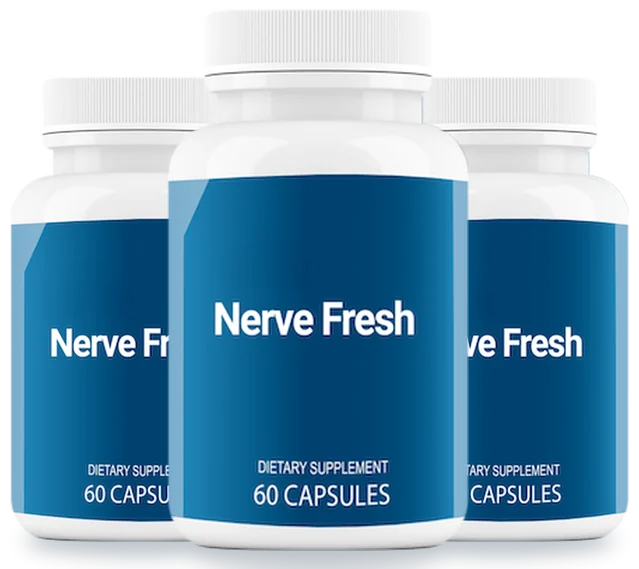
A herbal extract ratio of 10:1 usually means about ten parts of raw plant were used to make one part of extract. In Nerve Fresh, 200 mg of corydalis root extract 10:1 may stand for roughly 2,000 mg of root, but the ratio does not say how strong the extract is.
The number looks like a measure of power, and sales pages use it that way. This page explains what it describes, what it leaves out and why it matters for the one ingredient with liver reports.
What does 10:1 mean on a label?
It describes the starting material, not the finished strength. About ten parts of dried root were used to make one part of extract, so the extract is concentrated.
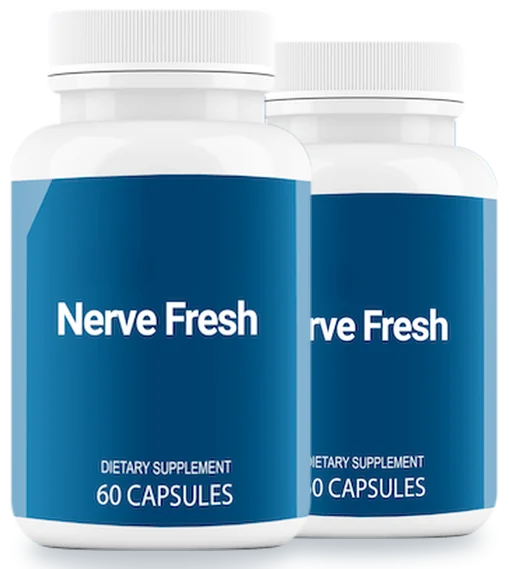
The Nerve Fresh label lists "Corydalis Yanhusuo (Corydalis turtschaninovii) Root Extract 10:1" at 200 mg in each two-capsule serving. If the ratio is taken at face value, that stands for about 2,000 mg of root, or 2 grams. That is a way of saying how much plant went in, and it does not say how much of any compound came out. A ratio is a statement about the process, and a process can yield very different extracts depending on the plant, the solvent and the method.
| Item | Value from the label |
|---|---|
| Ingredient | Corydalis root extract |
| Ratio | 10:1 |
| Amount per serving | 200 mg |
| Rough root equivalent | About 2,000 mg, if the ratio holds |
| Active compound named | None |
| Compound amount stated | None |
Why is the ratio not the same as strength?
Because plants vary and extraction varies. Two extracts with the same ratio can contain very different amounts of the compounds that matter.
The roots may come from different places and harvests, and the solvent and the drying method change what ends up in the extract. A standardized extract states the amount of a named compound, such as a percentage of an alkaloid, and is tested to show it. A ratio alone does not. The Nerve Fresh label does not give a percentage for any alkaloid, and no certificate of analysis was supplied. So the 10:1 on the label cannot tell you the tetrahydropalmatine content, which is the compound linked with liver reports.
- Ratio: how much raw material went in.
- Standardization: how much of a named compound is in the extract.
- Certificate of analysis: a test showing what is in a batch.
- Label of this product: states the ratio only.
How does 200 mg compare with traditional use?
EBSCO's summary says corydalis is usually taken at 5 to 10 grams of the herb a day, or an equivalent extract.[1] A 2 gram root equivalent is below that range, if the ratio holds.
That comparison is rough and we do not rely on it. It assumes the ratio is accurate, that the extract resembles the traditional preparation and that all the herb behaves alike. We do not know any of these things for this product. What we do know is that the same source says products containing THP have repeatedly been associated with severe liver injury. The comparison does not make the capsule safe or unsafe; it shows how little a label can tell you without a test. Our corydalis page lists what the sources say.
What does the liver caution mean for a 10:1 extract?
It means the concentration deserves attention. WebMD says liver damage has been reported in people using Corydalis yanhusuo, and advises calling your provider right away if you notice signs of it.[2]
A concentrated extract can carry more of the relevant alkaloids per milligram than raw root, though we cannot say how much. That is why the missing alkaloid figure matters. Warning signs are dark urine, yellow skin or yellow whites of the eyes, pain in the upper right belly, pale stools, itching, unusual tiredness and nausea. If any appear, stop the capsules and call your doctor the same day. Our liver safety page explains the signs and who should ask first.
What do other ingredients' amounts tell me?
The other amounts on the panel are weights too: passionflower herb powder 350 mg, marshmallow root powder 220 mg, prickly pear powder 100 mg and California poppy extract 90 mg. Powders and extracts are not directly comparable.
The sum of 960 mg is our addition of the listed amounts. The FDA's labeling rules govern how a Supplement Facts panel is laid out, and they do not require a maker to publish a compound-level test.[3] NCCIH reminds shoppers that what a supplement contains can differ from its label.[4] Three of the five plants are linked with drowsiness, so take the first dose at home and do not drive until you know how you feel.
What can I do with this?
Ask the seller in writing whether the corydalis extract is standardized to a named compound and whether a certificate of analysis exists. Keep the answer, and show it to your pharmacist.
The order desk in the seller's notes is +1 (302) 200-3480, and the order email is [email protected]. If no figure is available, count that as part of your decision. If you have a liver condition, drink most days or take a medicine that needs liver tests, ask a doctor before you start. The sales page promises a full refund within 180 days, and our guarantee page explains the wording.
Frequently asked questions
Is a 20:1 extract twice as strong as a 10:1 extract?
Not necessarily. A ratio describes the starting material, not the compound content.
Does 10:1 mean 10 percent active?
No. A ratio and a percentage are different measures.
Why do makers print a ratio?
It is a short way of saying the extract is concentrated. Whether it is useful depends on what else is stated.
How would I know the THP amount?
Only from a test of the batch, and none was supplied.
Medical review: Dr. Mark Runkle, DPM, Physician. Named in the owner-supplied pack as the reviewer; this is not independently verified and is not an endorsement. Safety lines also cite NIH, FDA, Poison Control and FTC pages. How review works.
Sources
- EBSCO Research Starters: Corydalis's therapeutic uses. www.ebsco.com
- WebMD: Corydalis yanhusuo: uses and risks. www.webmd.com
- FDA: Dietary Supplement Labeling Guide: Chapter IV, Nutrition Labeling. www.fda.gov
- NCCIH: Using Dietary Supplements Wisely. www.nccih.nih.gov
Safety: Nerve Fresh Capsules is a dietary supplement, not a medicine, and not a neuropathy medicine. Follow your bottle's label (two capsules a day). Three of its five herbs (passionflower, corydalis, California poppy) can cause drowsiness: do not drive until you know how it affects you, avoid alcohol and other sedating products with it, and do not stop or change a prescribed nerve, sleep or anxiety medicine on your own. Liver injury has been reported with corydalis; stop and call a doctor if you notice dark urine, yellow skin or eyes, or upper belly pain. Prickly pear and marshmallow may lower blood sugar. Not for pregnancy, nursing or anyone under 18; ask your doctor first if you take any medicine, have a liver condition or diabetes, or have surgery planned.
Inervefresh is an independent information site, not the manufacturer of Nerve Fresh Capsules. We may earn from order links on this site; order links are marked sponsored. *These statements have not been evaluated by the Food and Drug Administration. This product is not intended to diagnose, treat, cure or prevent any disease. Page updated November 26, 2026.