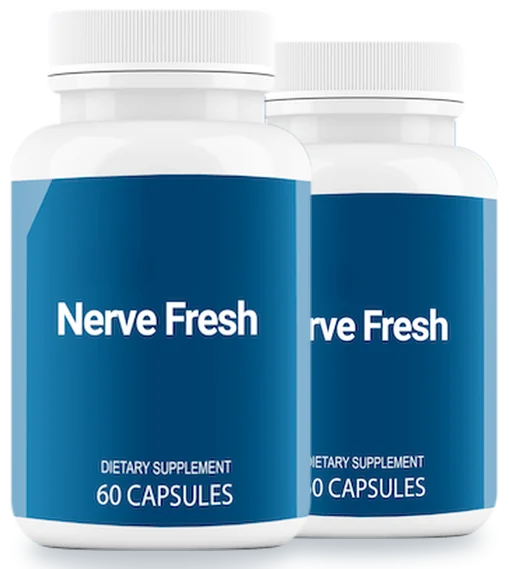
Tetrahydropalmatine, or THP, is an alkaloid found in corydalis, and products containing it have repeatedly been associated with severe liver injury. Nerve Fresh contains corydalis extract, and its label does not state how much THP the capsules hold.
This page explains the term in plain words, what the reports show and do not show, and what a reader with the label in hand can reasonably do. It is background, not a diagnosis.
What is tetrahydropalmatine?
It is a plant alkaloid, one of several in corydalis roots. Its main form is levo-tetrahydropalmatine, and some corydalis extracts are rich in it.
EBSCO's research summary says corydalis contains alkaloids including THP, and that its constituents may affect dopamine and GABA, two chemical messengers in the brain.[1] That is why the plant is described as sedating, and why drowsiness is listed for it. Nerve Fresh lists 200 mg of corydalis root extract, 10:1, in each two-capsule serving. The label names the plant and the extract ratio but does not name any alkaloid or its amount, so the THP content is unknown to us.
| Term | Plain meaning |
|---|---|
| Alkaloid | A plant compound that acts on the body |
| THP | An alkaloid found in corydalis |
| Levo-THP | The form that some extracts are rich in |
| Extract 10:1 | About ten parts root used per part of extract |
| Standardized | Made to a stated amount of a compound; not stated here |
What do the liver reports say?
They say that products containing THP have repeatedly been associated with severe and potentially fatal liver injury, according to EBSCO.[1] WebMD says liver damage has been reported in people using Corydalis yanhusuo.
The federal LiverTox database describes more than a dozen cases of acute liver injury linked to Jin Bu Huan products, some of whose extracts are rich in levo-tetrahydropalmatine.[2] LiverTox thinks a contaminant, rather than the herb itself, may have been the likely cause in those cases, and notes that injury returned, more severely, when people restarted the product. So the evidence is a pattern of reports, not a controlled test, and its meaning is debated.
Does this mean Nerve Fresh harms the liver?
No report that we found is about Nerve Fresh itself, and most people who take herbal supplements never have a liver problem. But the concern is serious enough to belong on every page.
The honest reading is this: one of the five plants has a record that includes serious liver reports, the amount of the relevant alkaloid in the capsule is unknown and the blend has not been studied. Those three facts together are a reason for caution, not a prediction. Passionflower, the largest ingredient at 350 mg, is not implicated in liver injury according to LiverTox, and the other three plants carry no liver caution in our sources. Our liver safety page lays out the plant-by-plant picture.
Why is the amount unknown?
Because the label gives the weight of the extract, not the weight of any compound in it, and no certificate of analysis was supplied. Extracts of the same ratio can differ a great deal.
A 10:1 extract starts from about ten times its weight in raw root, so 200 mg may stand for roughly 2,000 mg of root. EBSCO describes traditional use of 5 to 10 grams of the herb a day, or an equivalent extract. Whether two capsules sit above or below the amounts in the case reports cannot be worked out from the label. The FDA's labeling rules require a Supplement Facts panel, but they do not require a maker to publish an alkaloid test.[3] Our corydalis page explains more.
What are the warning signs?
Dark urine, yellow skin or yellow whites of the eyes, pain in the upper right belly, pale stools, itching, unusual tiredness, nausea and loss of appetite. Stop and call your doctor the same day.
These signs can have other causes, and a doctor can sort them out with a blood test. Tell the doctor exactly what you took, how much and when you started, and keep the bottle and the lot number. Do not restart until the doctor agrees. The NIH advises telling your providers about every supplement, because supplements can have side effects with several products or with medicines.[4] Three of the five herbs are also linked with drowsiness, so take the first dose at home and do not drive until you know how you feel.
- Dark, tea-coloured urine
- Yellow skin or yellow whites of the eyes
- Pain or tenderness on the upper right side
- Pale stools and itching
- Unusual tiredness, nausea or loss of appetite
Who should be most careful?
Anyone with a liver condition, anyone who has had a liver reaction to a medicine or supplement, anyone who drinks most days and anyone who takes a medicine that needs liver tests should ask a doctor first.
Each of these makes a liver problem more likely or harder to spot. Anyone pregnant or nursing should also ask, because RxList says corydalis is unsafe in pregnancy and should be avoided while breastfeeding.[5] If you decide not to take it, the sales page promises a full refund within 180 days, and our refund policy page lists the steps.
Frequently asked questions
Is THP the same as a drug?
No. It is a compound found in a plant, and what a product contains can differ from its label.
Can a blood test show THP in my body?
We found no source on that. A doctor can check your liver with blood tests.
Does a 10:1 extract contain more THP than raw root?
It depends on the extract, and the label does not say.
Are liver reports common?
The sources describe repeated reports but give no rate. They are uncommon for most herbs and hard to predict.
Medical review: Dr. Mark Runkle, DPM, Physician. Named in the owner-supplied pack as the reviewer; this is not independently verified and is not an endorsement. Safety lines also cite NIH, FDA, Poison Control and FTC pages. How review works.
Sources
- EBSCO Research Starters: Corydalis's therapeutic uses. www.ebsco.com
- NIH LiverTox: Jin Bu Huan (levo-tetrahydropalmatine). www.ncbi.nlm.nih.gov
- FDA: Dietary Supplement Labeling Guide: Chapter IV, Nutrition Labeling. www.fda.gov
- NIH Office of Dietary Supplements: Dietary Supplements: What You Need to Know. ods.od.nih.gov
- RxList: Corydalis. www.rxlist.com
Safety: Nerve Fresh Capsules is a dietary supplement, not a medicine, and not a neuropathy medicine. Follow your bottle's label (two capsules a day). Three of its five herbs (passionflower, corydalis, California poppy) can cause drowsiness: do not drive until you know how it affects you, avoid alcohol and other sedating products with it, and do not stop or change a prescribed nerve, sleep or anxiety medicine on your own. Liver injury has been reported with corydalis; stop and call a doctor if you notice dark urine, yellow skin or eyes, or upper belly pain. Prickly pear and marshmallow may lower blood sugar. Not for pregnancy, nursing or anyone under 18; ask your doctor first if you take any medicine, have a liver condition or diabetes, or have surgery planned.
Inervefresh is an independent information site, not the manufacturer of Nerve Fresh Capsules. We may earn from order links on this site; order links are marked sponsored. *These statements have not been evaluated by the Food and Drug Administration. This product is not intended to diagnose, treat, cure or prevent any disease. Page updated November 26, 2026.